Anesthesia
- General anesthesia
- Regional anesthesia
- Labor analgesia
- High-risk obstetrics
- Critical care
Anesthesiology, pain and addiction medicine · Edmonton, Alberta
Anesthesiologist with over 25 years in medicine. Currently working as an addiction specialist in a community setting, caring for Edmonton’s inner-city population.
Featured work
Dr. Chakravarty’s recent conference work for healthcare professionals, on addiction medicine and hepatitis C care.
All presentations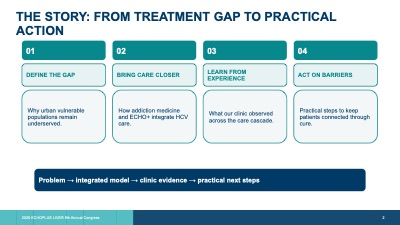
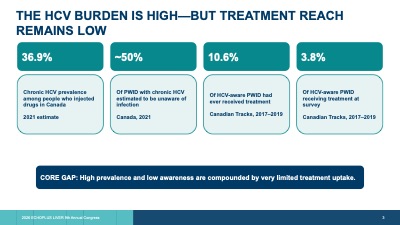

Hepatitis CECHO+ Liver 9th Annual Congress, 2026
Bridging the gaps from diagnosis to cure: how an addiction medicine clinic, supported by ECHO+, brings hepatitis C treatment to people the system usually misses.
19 slides
View presentation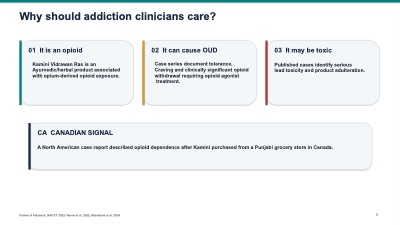
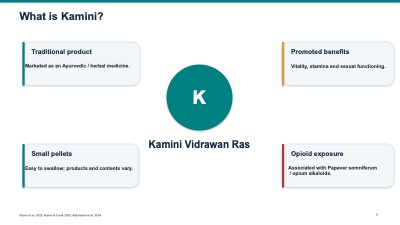

Addiction medicineISAM 2026 · Rotterdam, 2026
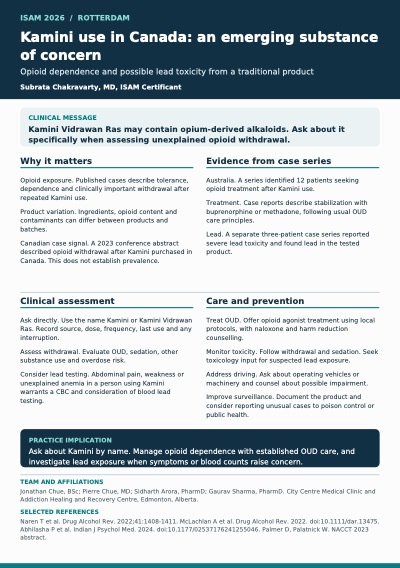
An emerging substance of concern identified in Alberta: a herbal product that can carry opium-derived opioids, dependence and lead toxicity.
15 slidesE-poster
View presentation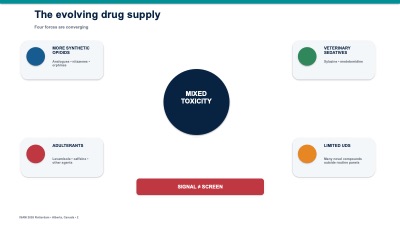
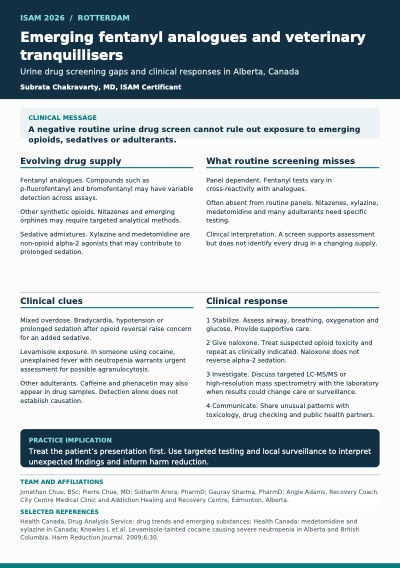
Toxic drug supplyISAM 2026 · Rotterdam, 2026
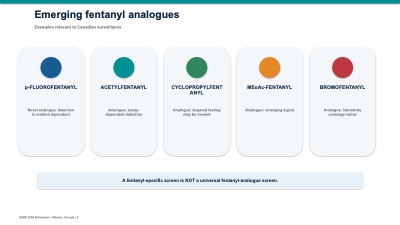
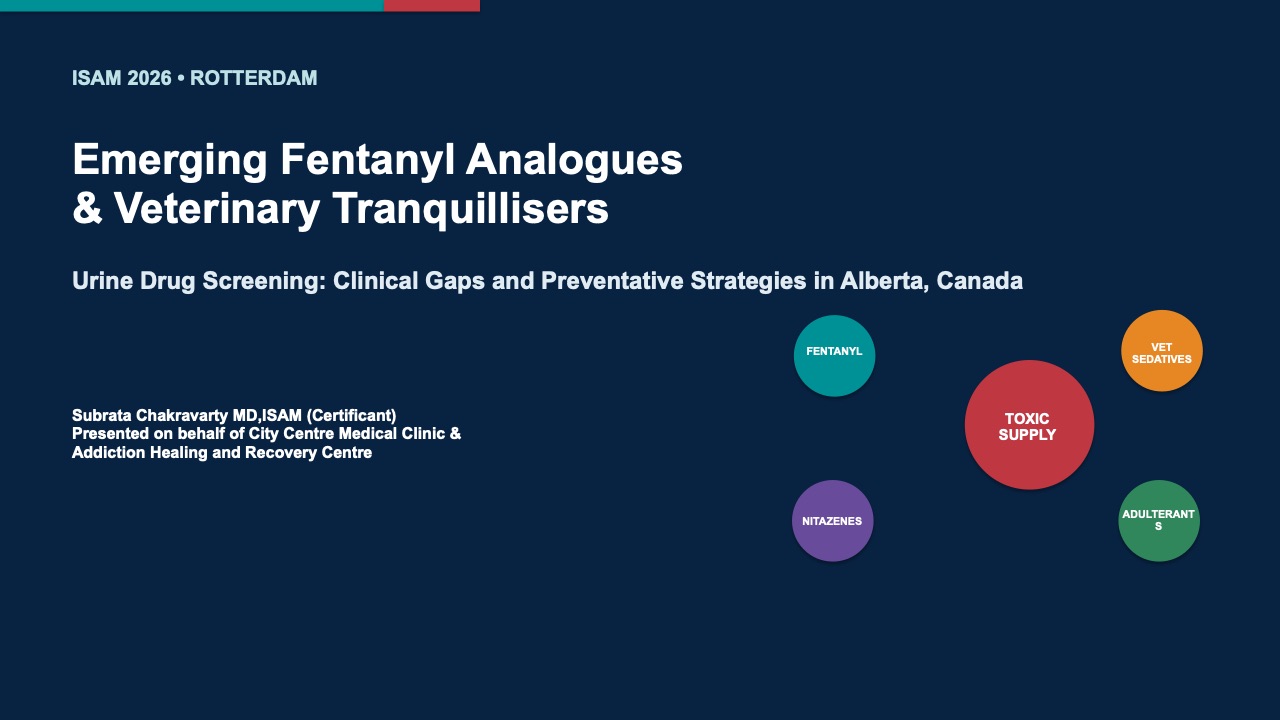
Urine drug screening gaps and preventative strategies in Alberta: what routine screens miss in a fast-changing drug supply, and how clinics can respond.
12 slidesE-poster
View presentationI always make sure that I speak with each patient scheduled for surgery, answer their questions and alleviate their fears. These patients are very vulnerable before surgery. They put their complete trust in us, and I take this responsibility very seriously.
Anesthesia is the use of medications, called anesthetics, that temporarily block pain signals from reaching the brain during a procedure or surgery. They interrupt the transmission of sensory information from the site of the procedure to the brain’s pain centres, effectively numbing the area.
The type used depends on the procedure and its complexity, and is decided with your care team.
Local anesthesia usually begins with a small prick, then tingling or numbness. The area may feel heavy or swollen; you can sense touch or pressure, but pain is blocked. You remain fully awake.
Regional anesthesia, such as an epidural, brings a spreading numbness over a larger area, which may feel heavy or disconnected. Some patients describe a warm, comfortable sensation. You may be awake or lightly sedated.
General anesthesia usually starts with a sedative through your IV that makes you deeply relaxed. As the anesthetic takes effect you drift off, and for most people it feels as if only a second passes before waking in the recovery room. Grogginess, dry mouth or mild nausea are common on waking and pass as the medication wears off.